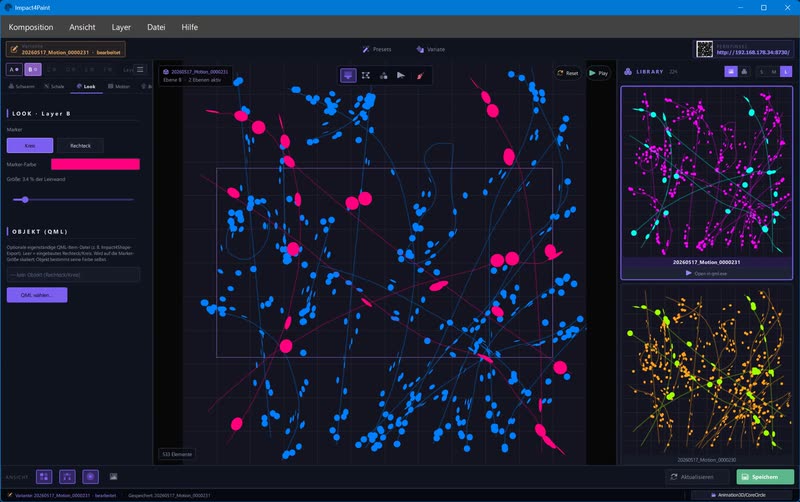
Case studies · Runtime for multi-channel installations
IMPACT4IMMERSIVE Runtime
Five projectors, one room, sensors and continuous operation – not a screen, but a spatial system.
What it is
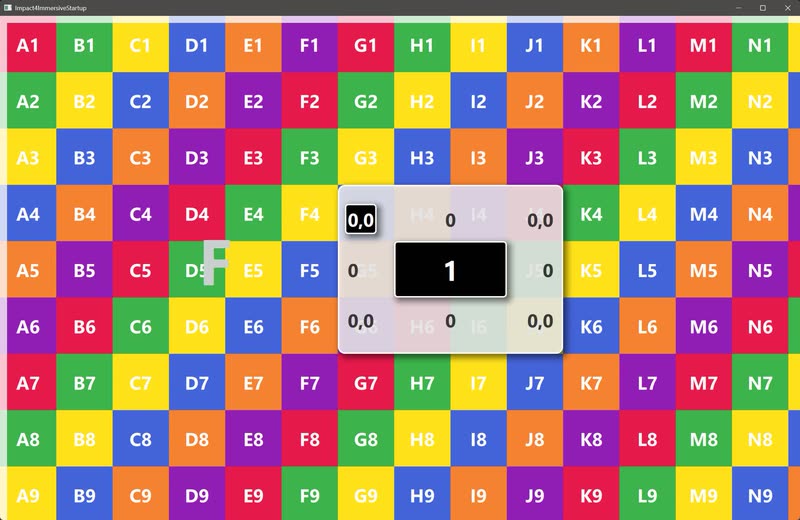
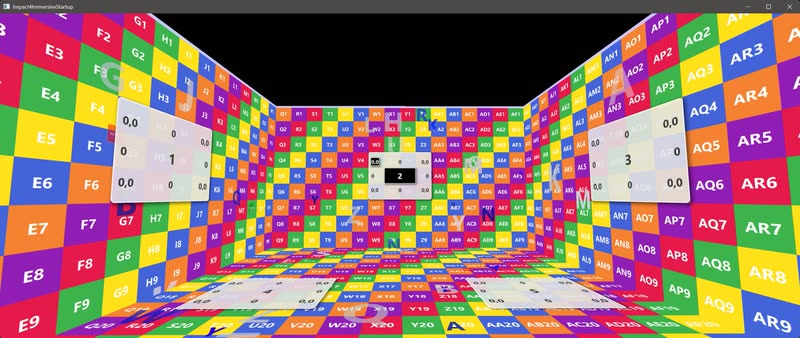
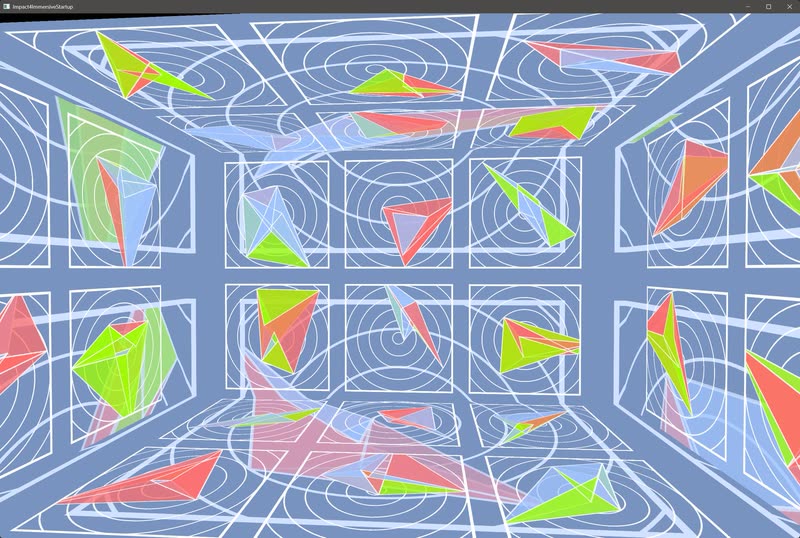
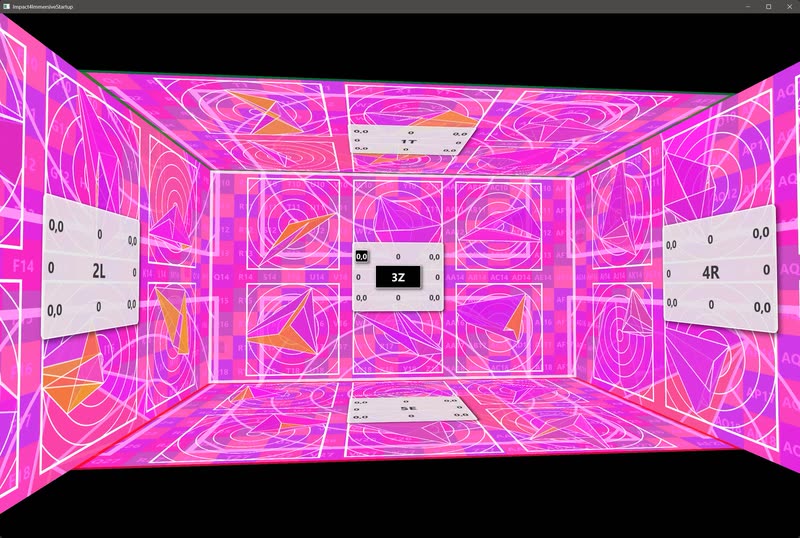
The IMPACT4IMMERSIVE Runtime runs installations: all of a computer's displays in full screen, several graphics cards, projections as zones – main zone, left, right, floor, ceiling –, mapping onto real architecture and 3D LiDAR sensors in real time.
The spark
In a vaulted cellar, in an industrial hall, in a museum: no room is a canvas. The question was how an image system deals with edges, transitions, sightlines and people in the room – and does so for weeks without failure.
What was built with AI
Built with AI:
- an assignment model that places content precisely on individual image surfaces
- position and projection mapping to the geometry of the room
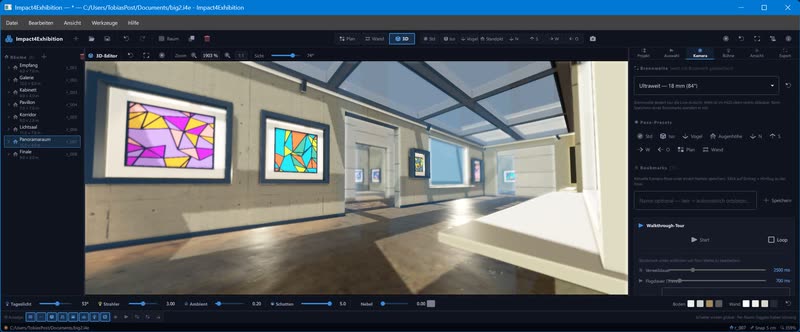
- simulation of target environments: number, resolution, position and zones of the screens as configuration
- devices and 3D LiDAR scanners as data stream, spatial structure or trigger
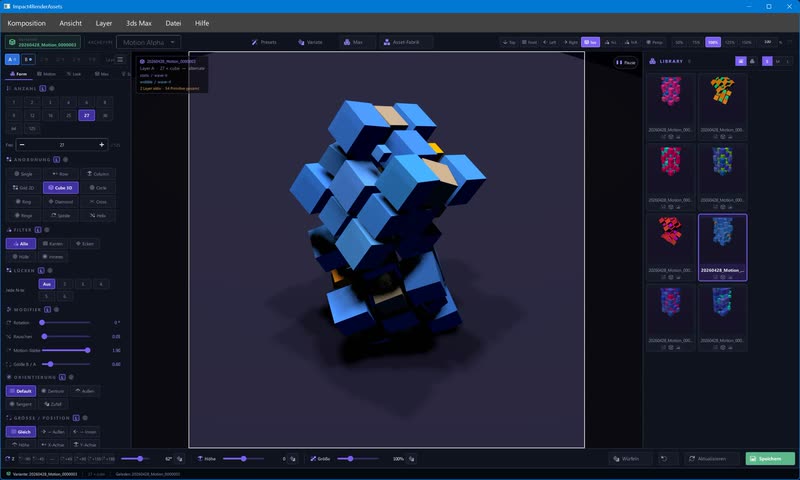
- elaborate 2D and 3D content in one runtime system
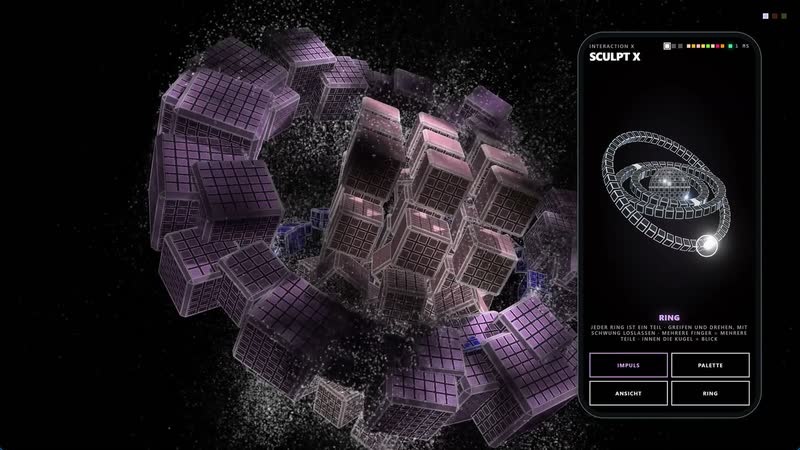
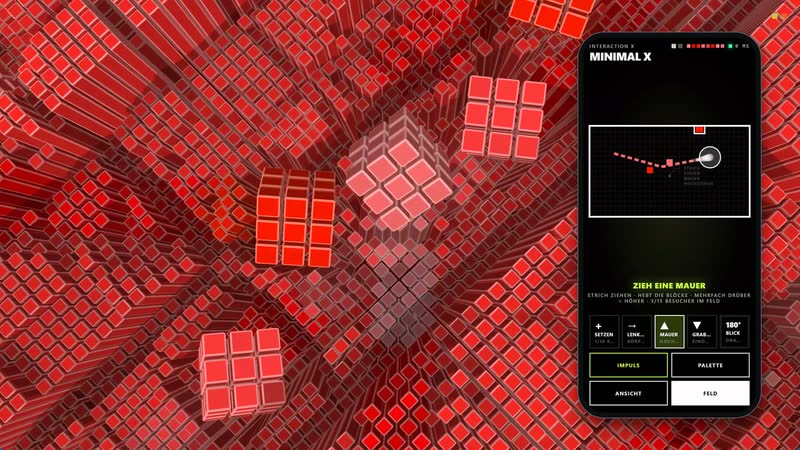
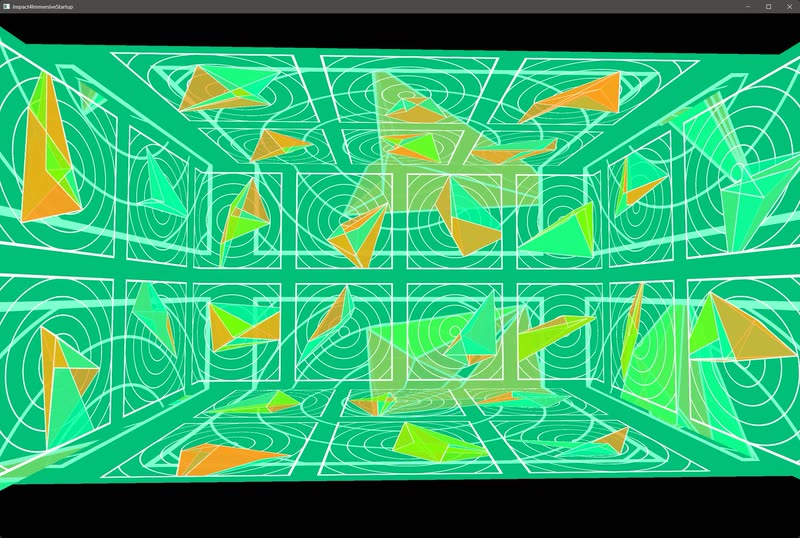
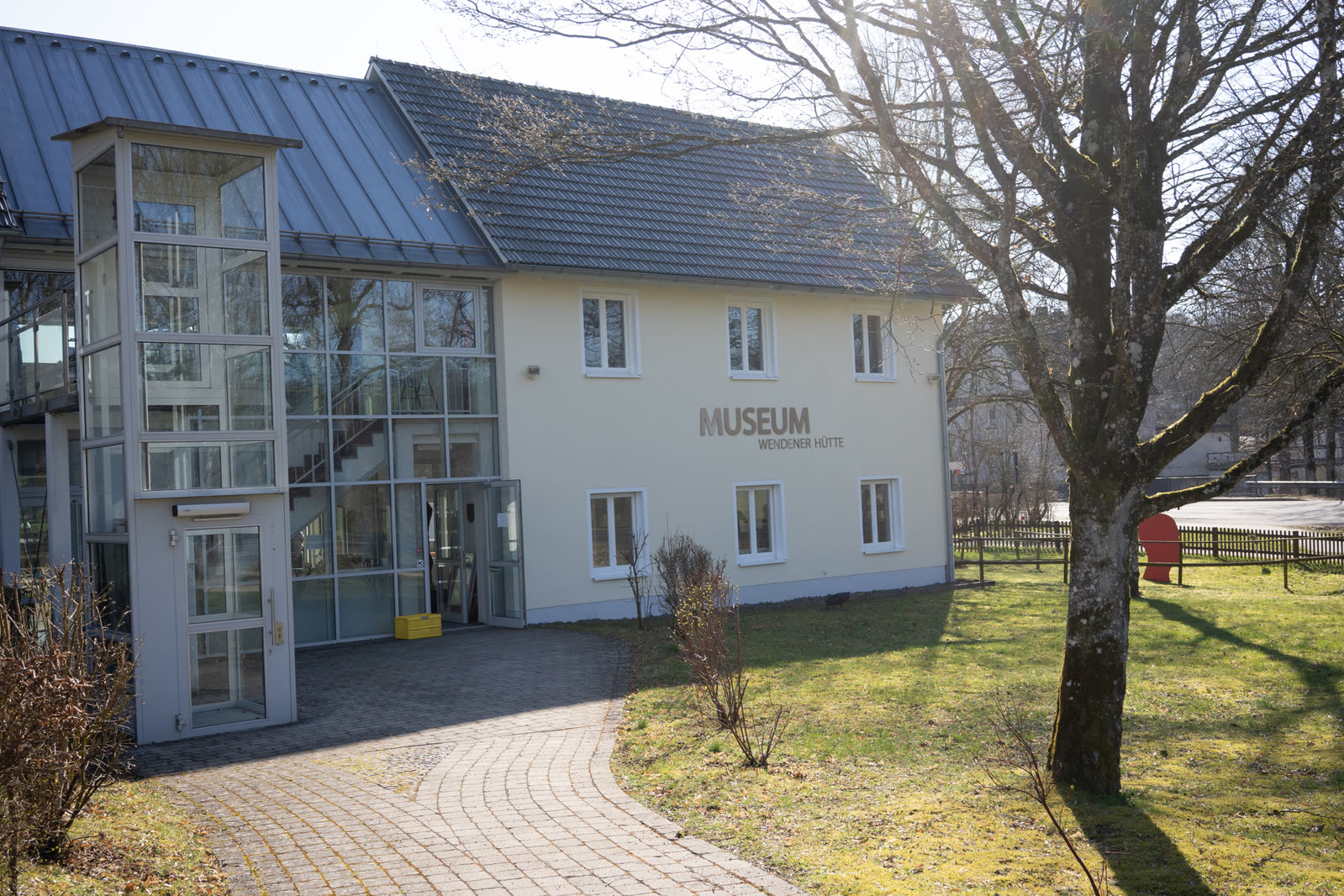
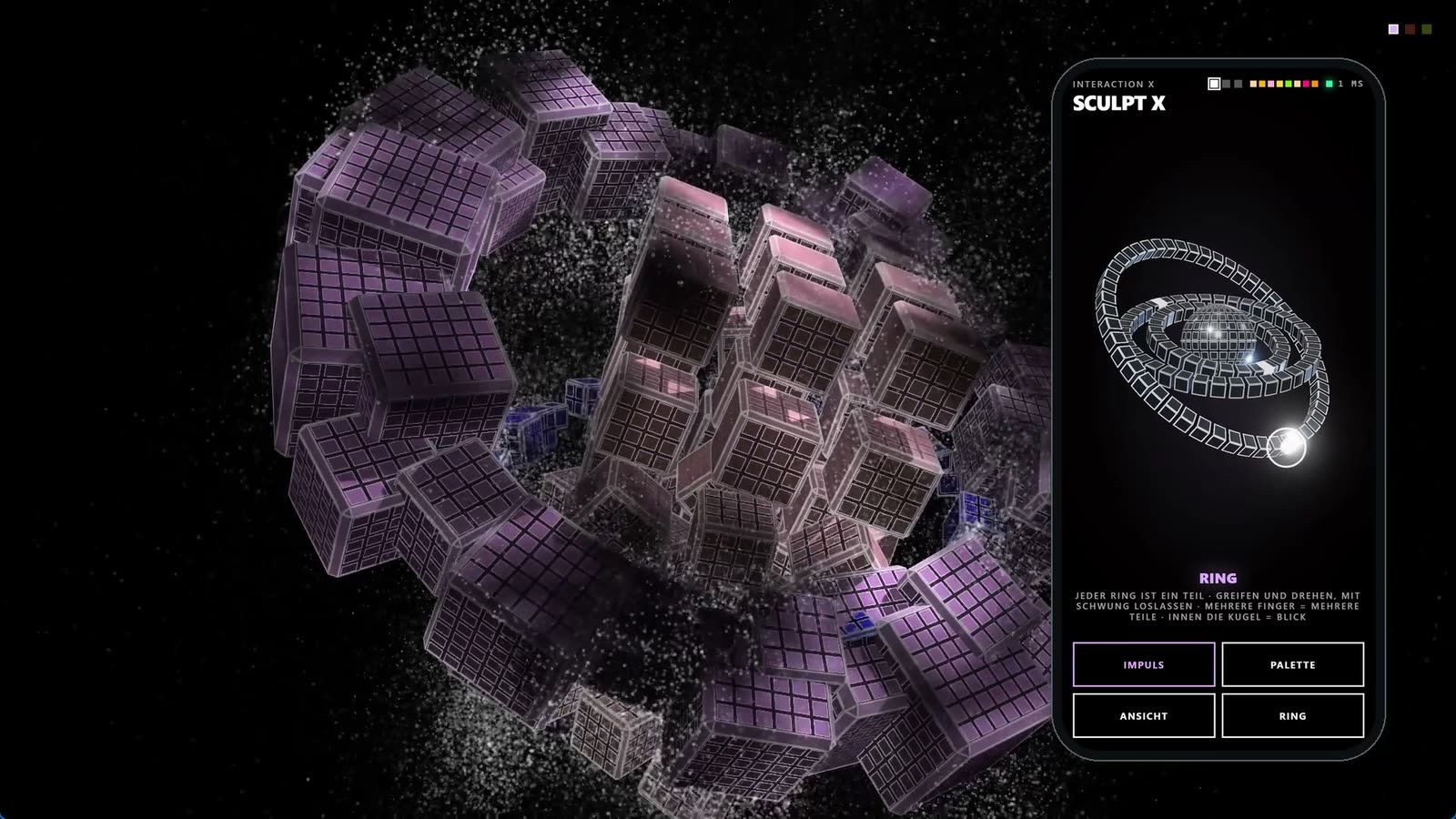
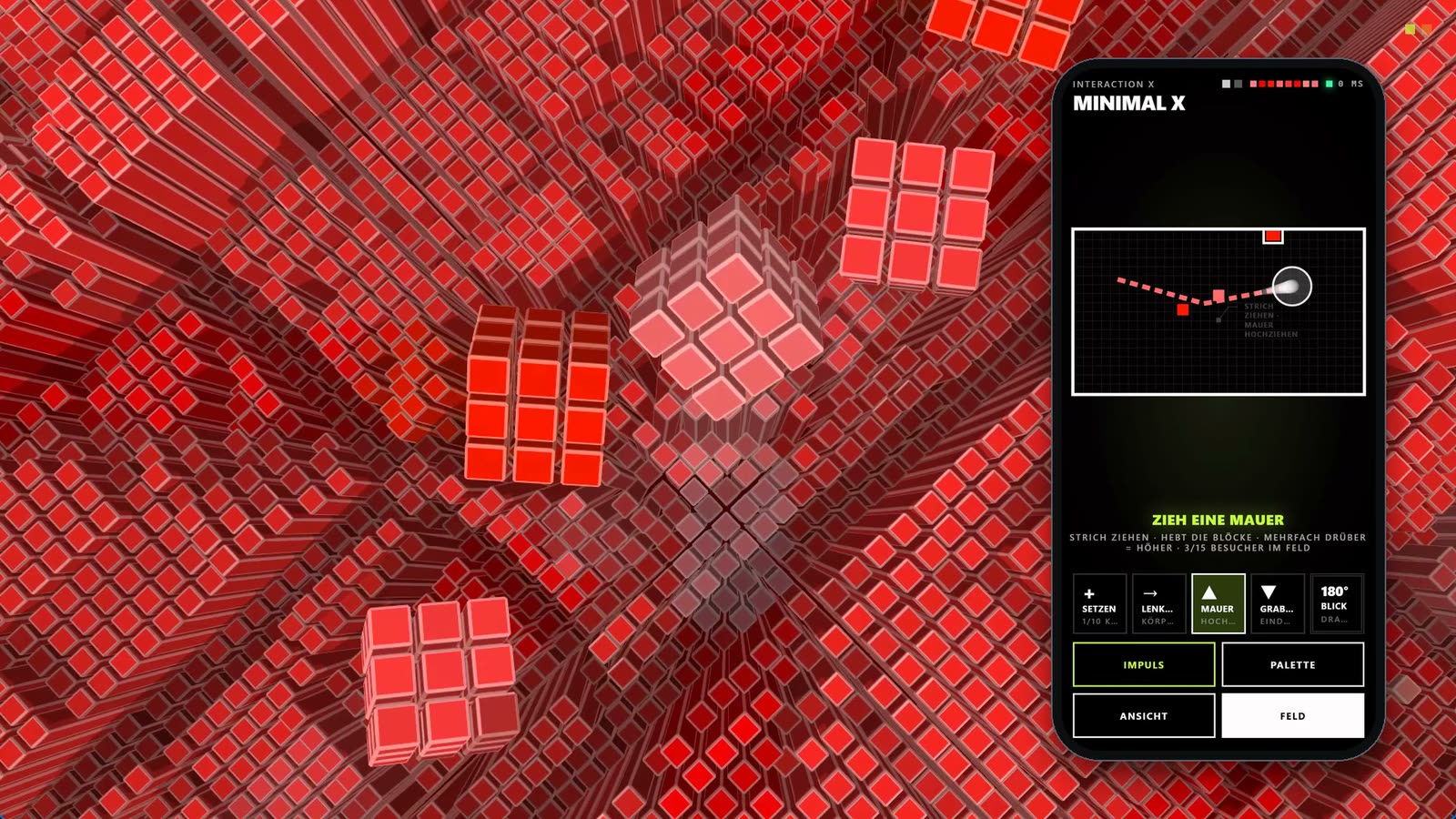
In the vaulted cellar of the Museum Wendener Hütte, 3D sensors capture the visitors' movements, and the work DornenstaubII translates them in real time into images on several walls.
What only experience decides
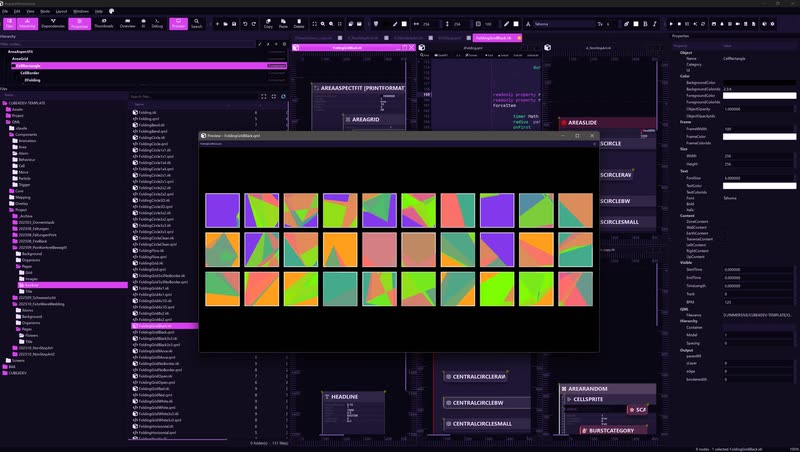
The runtime is an execution instance of its own, separate from the development environment and the authoring system – designed for stable continuous operation.
Anyone who has looked after an installation through an entire exhibition builds exactly this separation. Anyone who hasn't finds out on opening night.
Theses on film
-
Case study · IMPACT4IMMERSIVE Runtime →
Five projectors, one room, sensors, continuous operation. -
An artist in product development →
Building context, thinking around corners, seeing connections no one has seen before. -
Creativity is the engine →
They say: humans decide, AI develops. -
The software market is upside down →
The software market is upside down.
From tool to work
What a company gains
Trade fair stands, showrooms, control rooms, media façades, visitor centres: where many image surfaces, sensors and continuous operation come together, the same foundation holds – and can be tested before the room exists.