Case studies · Playable city model
Minimal City
Understanding a city by pulling its levers: nine controls, fifteen real city centres, instantly in the browser.
What it is
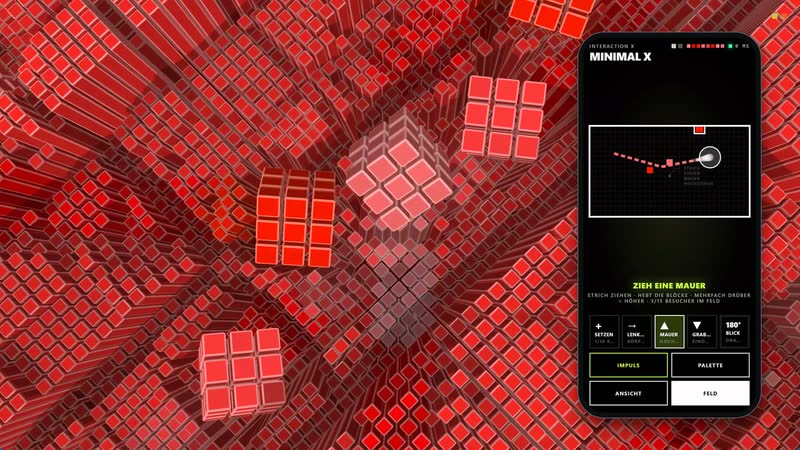
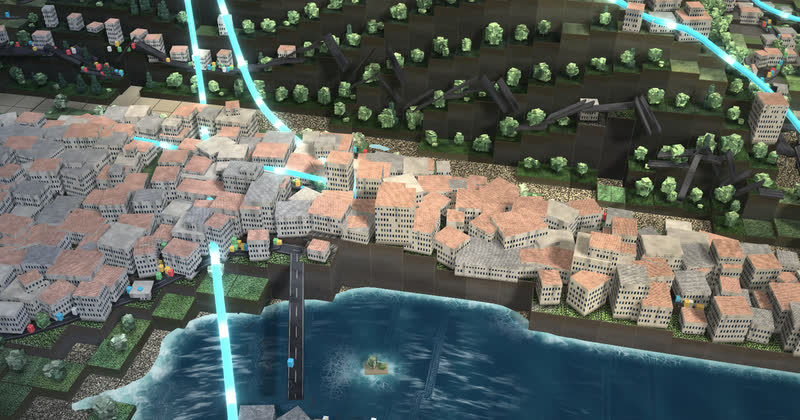
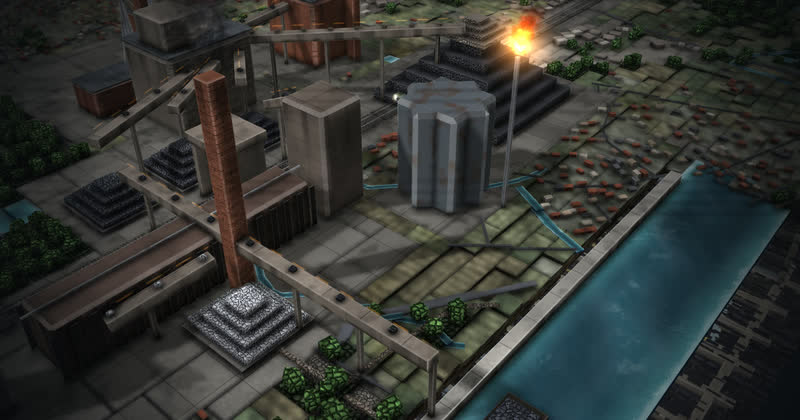
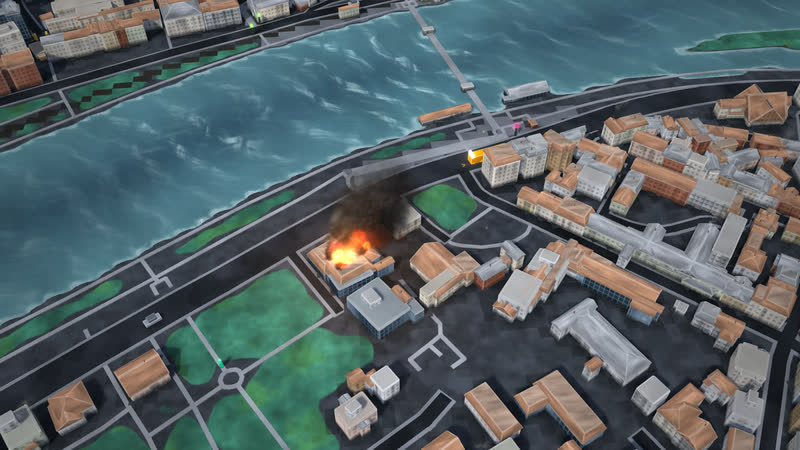
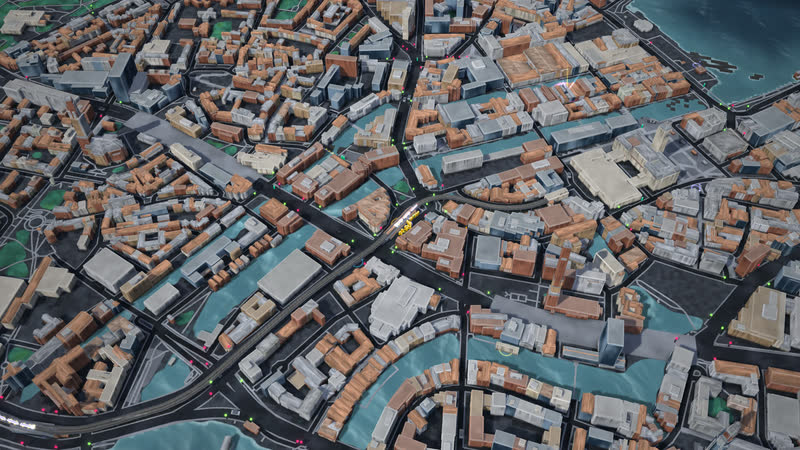
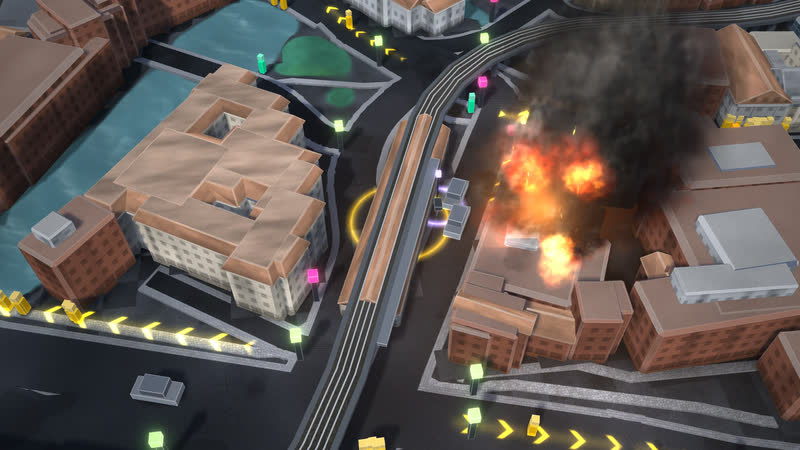
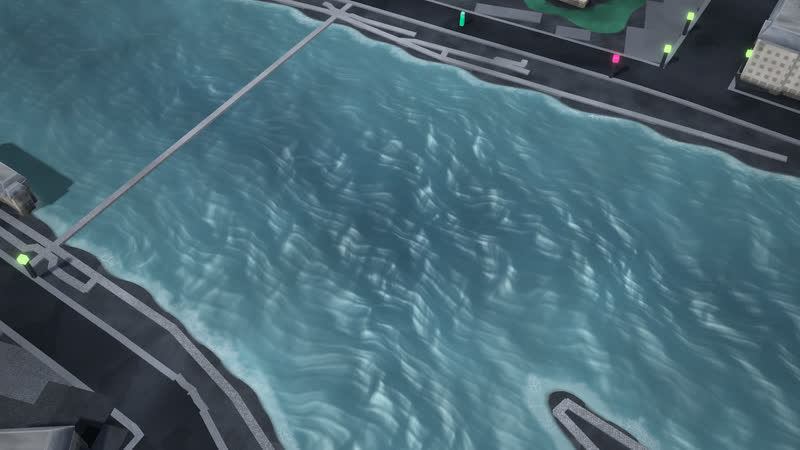
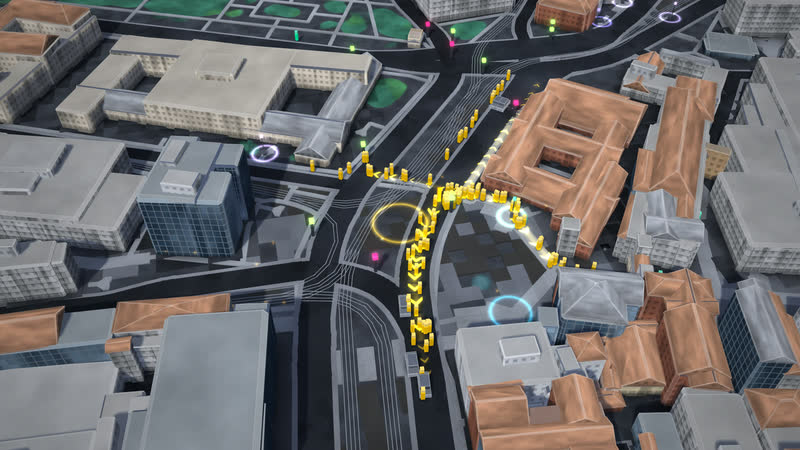
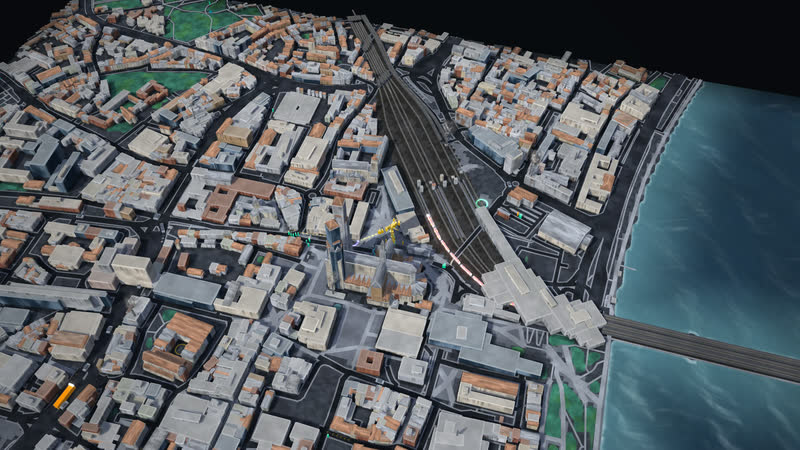
Minimal City builds fifteen real city centres from Bochum to New York out of blocks, with people, cars, buses and trains around the clock. Controls set residents, jobs, traffic, public transport and city life, and every move takes effect at once. A playful city model, not a traffic forecast.
The spark
The block city comes from art, from the Minimal series. The question behind it: how can the complexity of a city be grasped, its planning, its infrastructure?
More residents mean fuller pavements and less living space per head; switching to the train frees the road and may mean waiting on the platform.
What was built with AI
Built with AI, in a short time, in-house:
- fifteen city centres from OpenStreetMap: buildings, streets, signals, stops and tracks are real, only simplified
- residents and jobs for each building, estimated from floor area
- underground and suburban trains on the real tracks, with departure boards and a camera that rides along; lines and frequencies are model assumptions
- a City index of mobility, liveability and experience, plus six analysis lenses that name the hotspots
- layers for rail, water, power and data beneath the faded city; line routes assumed
- a self-running mode for museums: the city tells its own story until someone touches it
What only experience decides
A figure alone says nothing. So every effect is set against the normal day: the same city, the same demand, no intervention. And the model says where it ends: model values, not measurements; relationships, not forecasts.
Buildings as blocks, a whole city in the browser, on computer and phone: what to leave out so that it runs and stays understandable has to be known before the first sentence goes to the AI. That comes from 30 years of product development, real-time systems and reduction in the artist’s own work.
Theses on film
-
Case study · Impact4Curator →
Finding, among hundreds of images, the ones that carry an exhibition. -
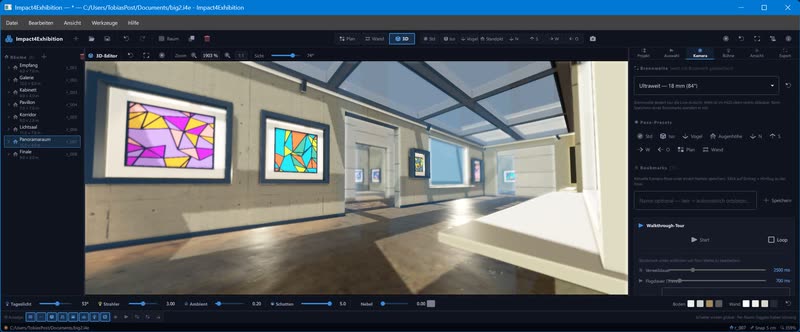
Case study · Impact4Exhibition →
Configurators, shop fitting, trade fair stands, showrooms. -
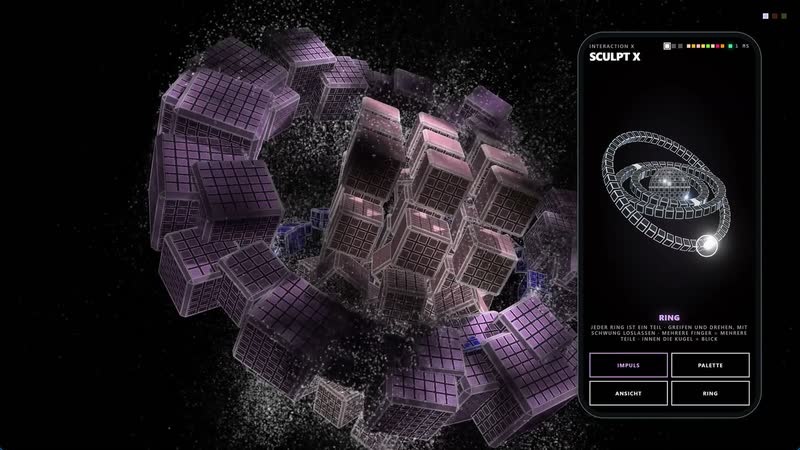
Case study · Sculpt X Interaction →
A QR code is all it takes. -
Case study · Impact4ArtCore →
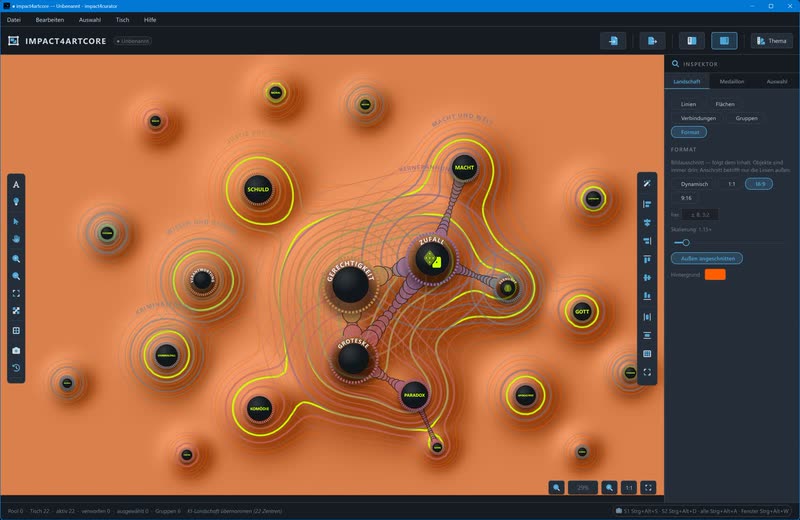
A mind map shows what is connected. -
Case study · Impact4Publish →
The AI writes the text.
What a company gains
Anyone who has to explain something to a city, roadworks or heat planning, say, can give it a model that everyone controls themselves: in the customer centre, online, in training.
The basic example shows how quickly this comes together. In the same way we build versions for municipal utilities and companies: their own place, texts and controls, as a web application, a table for several people or a large projection. A model for experience and training, not a planning tool.